
How to Avoid Online Shopping Scams in Australia: 10 Tips I Always Check Before Ordering
Ordering online is part of everyday life in Australia now. Groceries, clothing, electronics, odds and ends that no local shop stocks. Most of us do it weekly without thinking twice.
But there is one thing I always ask myself before entering payment details: can I actually trust this website?
A professional-looking site does not automatically mean a trustworthy business. Fake stores can use convincing product photos, attractive prices and polished customer reviews to appear legitimate.
Over time I have put together a simple checklist for sizing up an online store before ordering. Here are the 10 things I recommend checking.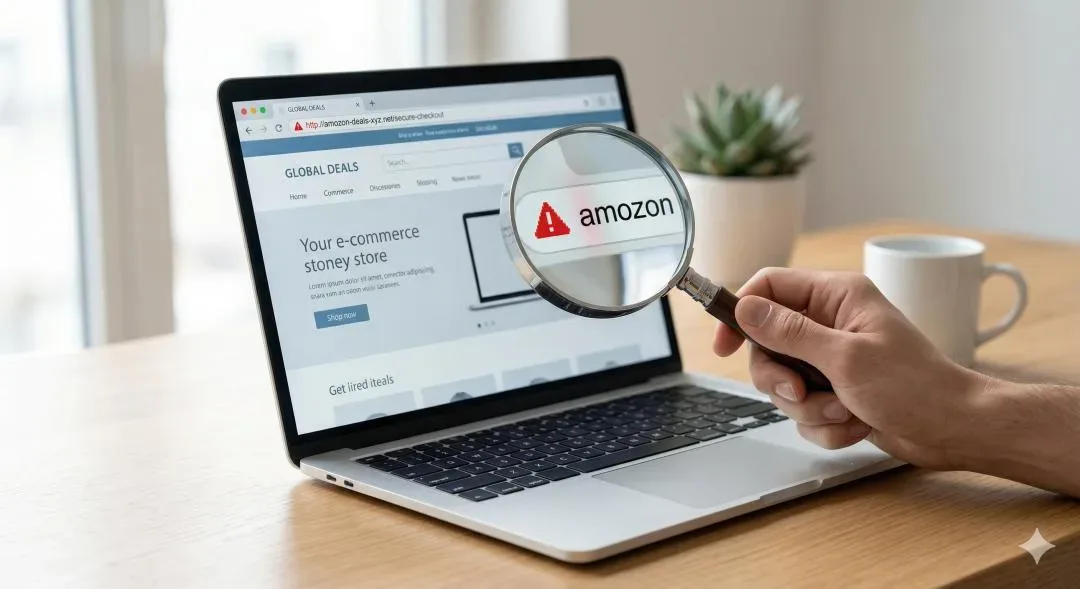
1. Check the Website Address Carefully
The domain name is the first thing I look at.
Fraudulent websites imitate legitimate brands by changing a single letter or tacking an unusual word onto the address. A fake store might use a similar-looking domain to impersonate a genuine retailer.
I check for spelling mistakes, unusual extensions and suspicious redirects.
An HTTPS connection matters for protecting information in transit, but HTTPS alone does not prove a store is legitimate. Plenty of scam sites have the padlock too.
2. Look for Genuine Business Information
Before ordering, I check whether the website provides:
A business name
A working contact method
A clear returns policy
Shipping and delivery information
Terms and conditions
A privacy policy
For businesses claiming to be registered in Australia, I also look up their Australian Business Number through the official ABN Lookup service.
An ABN is useful evidence, but it does not guarantee the website belongs to the registered business.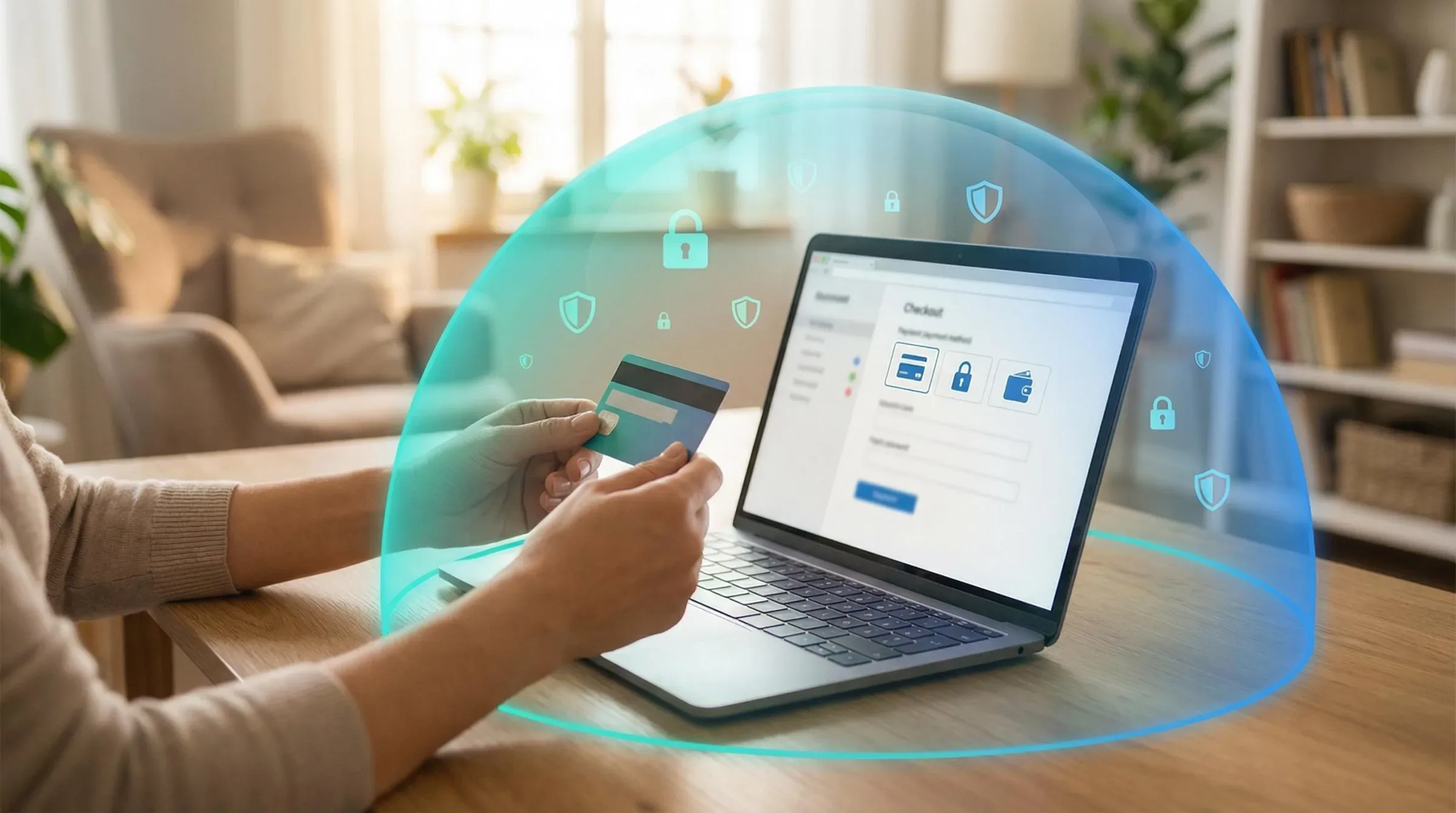
3. Be Careful with Prices That Look Too Good to Be True
Everyone likes a bargain, but an extremely low price can be a warning sign.
If most websites sell a product for around A$100 and an unfamiliar store advertises it for A$20, I want to know why.
Sometimes discounts are genuine. Other times, scammers use unrealistic prices to push people into quick payments.
I compare several retailers before deciding.
4. Search for Independent Customer Reviews
I do not rely entirely on reviews displayed on the seller's own website.
Instead, I search Google for the business name alongside terms such as:
Reviews
Scam
Complaints
Delivery experience
The quality of the reviews matters too. A flood of vague five-star reviews posted within a short period is suspicious.
Independent reviews are not perfect, but they can reveal patterns of complaints.
5. Check the Payment Options
Payment security is one of my biggest priorities.
Where available, I prefer established payment services that offer dispute processes, such as credit cards or eligible PayPal transactions.
I get cautious when a seller insists on unusual methods: gift cards, cryptocurrency or transfers to unrelated accounts.
Payment protections depend on the provider, the transaction and the circumstances, so no method guarantees a refund.
6. Read the Shipping and Refund Policies
Before placing an order, I check the estimated delivery timeframe and what happens if the item never arrives.
A reliable website explains shipping costs, dispatch times and how customers can raise delivery problems.
I also read the returns policy rather than assuming every purchase can be refunded for any reason.
Australian Consumer Law provides consumer guarantees for eligible purchases, but the practical process gets more complicated with overseas sellers.
7. Don't Trust Social Media Advertisements Automatically
Some online advertisements look professional enough to belong to established retailers.
An advertisement appearing on Facebook, Instagram or another platform does not prove the seller is genuine.
If I find an unfamiliar store through an advertisement, I research the business independently before buying.
I also avoid paying through unexpected links sent by private message.
8. Be Suspicious of Pressure to Pay Immediately
Messages like "Only five minutes left!" or "Pay now or lose your order!" create artificial urgency.
Limited-time promotions do exist, but pressure should never replace proper checks.
If a website makes me feel rushed, I close the page and research it first. A genuine purchasing decision allows enough time to verify the seller.
9. Keep Records of Your Order
Whenever I shop online, I keep copies of the important details.
That includes the order confirmation, product description, payment receipt and any communication with the seller.
Screenshots are particularly useful if the website later changes its product listing or policies.
These records help when contacting the business, the payment provider or consumer protection authorities.
10. Know What to Do If Something Goes Wrong
If I suspected an online shopping scam, I would act quickly rather than wait for the seller to respond indefinitely.
The main steps would be:
Contact my bank or payment provider immediately.
Ask whether a transaction can be stopped or disputed.
Change passwords if account details may have been compromised.
Save receipts, screenshots and messages.
Report the incident to Australia's Scamwatch service.
If identity documents or sensitive personal information were exposed, IDCARE can provide specialist support.
My Online Shopping Safety Checklist
| What I Check | Why It Matters |
|---|---|
| Website domain | Helps identify impersonation websites |
| Business details | Provides information that can be independently verified |
| Independent reviews | Helps reveal complaints and suspicious patterns |
| Product prices | Highlights potentially unrealistic offers |
| Payment methods | May provide dispute and recovery options |
| Shipping policy | Clarifies delivery expectations |
| Refund information | Helps explain the seller's obligations |
| Pressure tactics | May reveal attempts to rush a payment |
| Order records | Provides evidence if something goes wrong |
None of these checks takes more than a few minutes. Run them before you pay, not after.